



The Ultimate Wedding Budget Guide: How to Plan and Spend Smart

A wedding budget is not about limiting your vision. It is about controlling it. Most couples underestimate costs, overspend early, and scramble later. The smartest weddings are not always the most expensive. They are the most intentional. If you plan your numbers correctly from the beginning, you eliminate stress, avoid debt, and make better decisions.
Step 1: Determine Your Total Budget
Before booking anything, decide your maximum spend. This should be based on real numbers, not guesses.
Sources typically include:
- Personal savings
- Family contributions
- Monthly savings timeline
- Bonuses or expected income
Never build your budget around credit cards. Interest turns a one-day event into years of payments.
In the United States, the average wedding ranges from $25,000 to $35,000. In major cities it can exceed $45,000. But averages are irrelevant. Your number is what matters.
Step 2: Break the Budget Into Categories
Here is a realistic allocation framework:
- Venue: 30-40%
- Catering and bar: 20-30%
- Photography and video: 10-15%
- Attire and beauty: 5-10%
- Music and entertainment: 5-10%
- Flowers and decor: 8-12%
- Stationery and invitations: 2-5%
- Transportation: 2-5%
- Miscellaneous and buffer: 5-10%
These percentages shift depending on priorities. If food matters most, shift budget there and trim decor.
Step 3: Understand Guest Count Drives Everything
Guest count is the biggest budget multiplier. Every additional guest increases:
- Food cost
- Bar cost
- Table rentals
- Centerpieces
- Invitations
- Favors
- Cake size
- Venue size
Reducing your guest list by 20 people can save thousands.
Step 4: Venue Costs Explained
Venue pricing can include just the space or be all-inclusive. Ask:
- Is catering included?
- Are tables, chairs, linens included?
- Are service staff included?
- What are overtime fees?
- Is gratuity included?
Hidden venue costs are common. Always request a full cost breakdown.
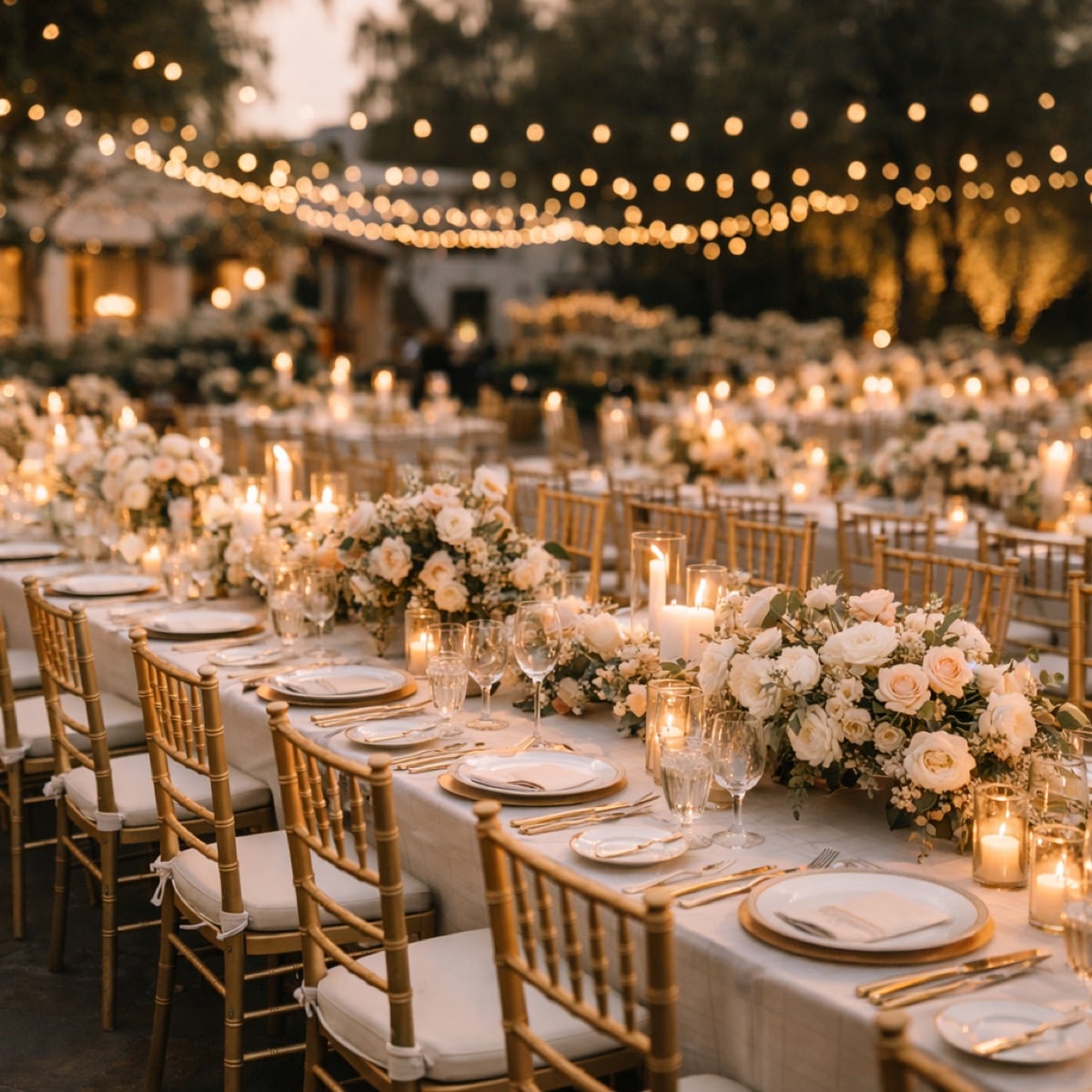
Step 5: Catering and Bar
Food is often priced per person. Typical ranges:
- $50-$100 per guest for standard catering
- $120+ per guest for high-end markets
Bar options:
- Open bar (highest cost)
- Beer and wine only
- Limited-time open bar
- Cash bar (least common at weddings)
Alcohol is a major cost driver. Be strategic.
Step 6: Photography and Video
Quality photography is one of the few lasting investments. Expect:
$2,500-$6,000 for experienced professionals
Videography adds another $1,500-$4,000. Do not cut corners here if preserving memories matters to you.
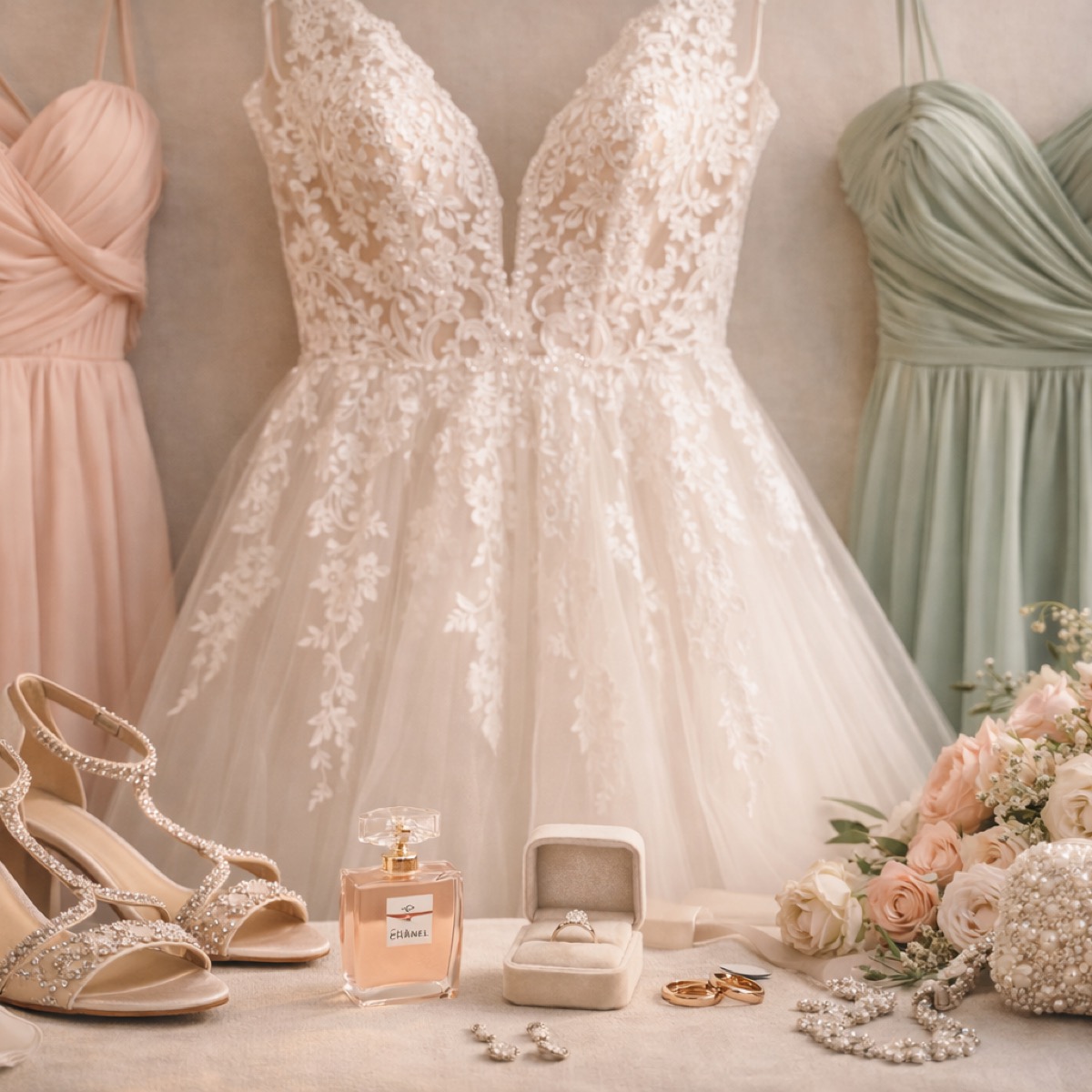
Step 7: Wedding Attire
Bridal gowns range from $1,200 to $3,500 on average. Alterations can add $300-$800. Suits or tux rentals range from $200 to $500.
Do not forget:
- Shoes
- Accessories
- Hair and makeup
- Trial sessions
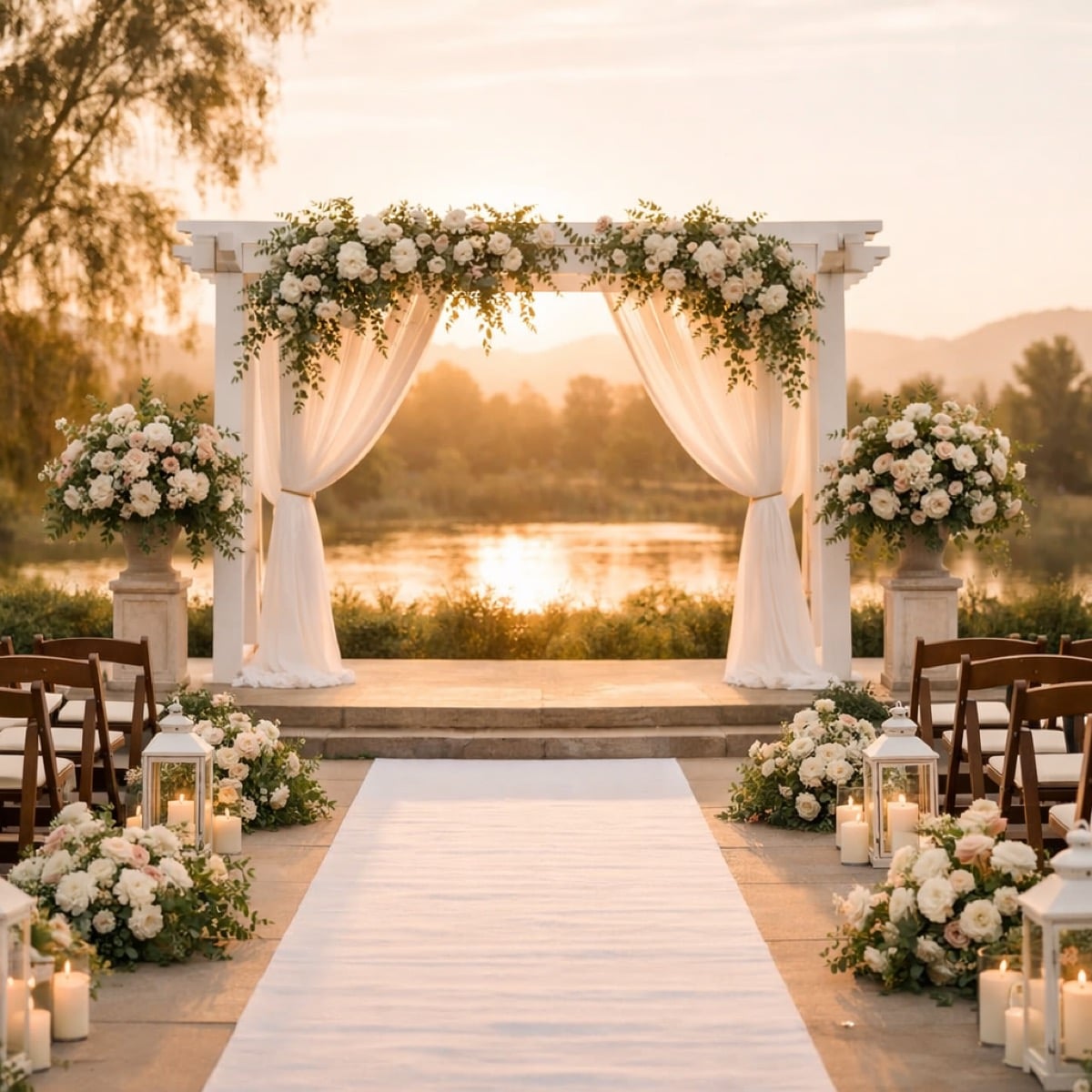
Step 8: Flowers and Decor
Floral budgets vary dramatically:
- Simple arrangements: $2,000-$4,000
- Full-scale floral design: $6,000-$12,000+
Repurposing ceremony flowers for reception tables saves money.
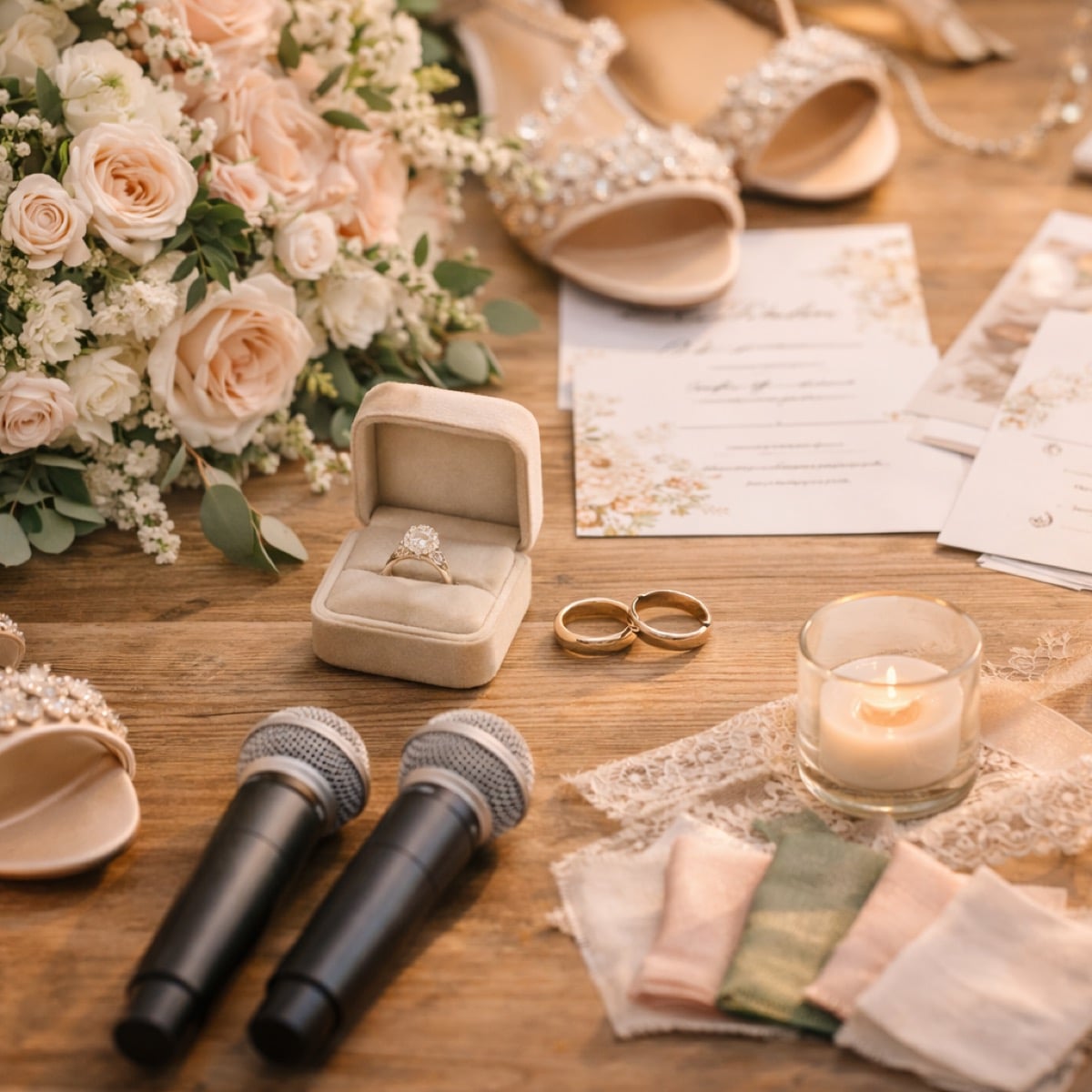
Step 9: Invitations and Stationery
Printed invitation suites average $5-$10 per guest. Save-the-dates, programs, and thank-you cards add up.
Digital RSVPs reduce printing costs significantly.
Step 10: Hidden Costs Couples Forget
- Marriage license fees
- Vendor meals
- Cake cutting fees
- Service charges and taxes
- Gratuities
- Dress steaming
- Alterations
- Transportation tips
- Emergency items
Always reserve a 5-10% contingency buffer.
Step 11: Saving Money Without Sacrificing Quality
Choose an off-season date. Consider Friday or Sunday weddings. Trim the guest list. Prioritize experience over excess decor. Bundle services with one vendor. Use local vendors to reduce travel fees.
The goal is not cheap. It is efficient.
Step 12: Should You Go Into Debt for a Wedding?
Short answer: no.
A wedding lasts one day. Financial stress lasts much longer. Starting a marriage with debt adds unnecessary pressure. Spend what you can afford comfortably.
Step 13: Tracking Your Budget
Use a spreadsheet from day one. Track:
- Estimated cost
- Actual cost
- Paid amount
- Remaining balance
- Due dates
Update it weekly. Budget discipline prevents emotional overspending.
Final Wedding Budget Advice
The best wedding budgets reflect priorities, not pressure. Decide what matters most, allocate money there, and reduce spending on what does not. A meaningful wedding is built on intentional choices, not inflated numbers.
Control the money early, and the money will not control you.
