


Wedding Reception Speeches and Traditions: What to Include and What to Skip

Wedding reception speeches and traditions create emotional moments during the celebration. When done well, they add depth and personality. When poorly timed or overly long, they stall momentum. The goal is balance.
Who Traditionally Gives Speeches?
Traditionally, speeches are given by:
- Best man
- Maid of honor
- Parents of the couple
- The couple themselves
Modern weddings are flexible. You can limit speeches to two or three people to keep the evening moving.
How Long Should Speeches Be?
One to three minutes is ideal.
Long speeches lose attention quickly. Encourage speakers to rehearse and keep remarks concise. The audience should feel engaged, not trapped.
What Makes a Good Wedding Speech?
A strong speech includes:
- A brief introduction
- A meaningful memory
- Positive reflection
- A heartfelt toast
Avoid inside jokes that exclude guests. Keep humor respectful. The focus should be the couple, not the speaker.
When Should Speeches Happen?
Most receptions schedule speeches:
- After guests are seated
- Between dinner courses
- After the main course
- Before dessert
Spacing them out prevents one long speech block. Confirm timing with your DJ or coordinator.
Managing the Microphone
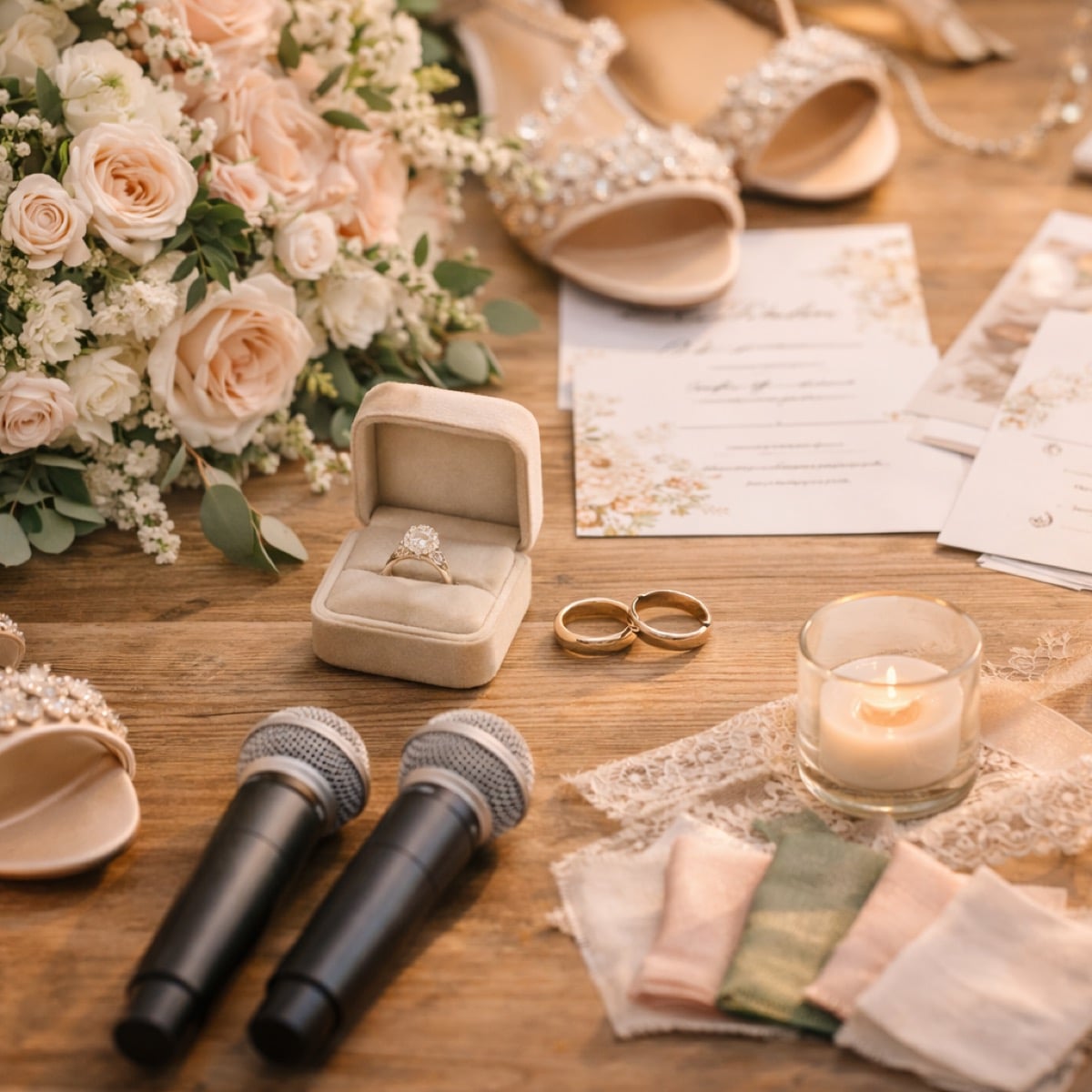
Always test audio equipment before speeches begin. Outdoor San Diego receptions often require wind protection for microphones.
Assign someone to manage the microphone and keep transitions smooth.
Common Speech Mistakes
- Embarrassing stories
- Excessive alcohol before speaking
- Going over time
- Reading in a monotone
- Forgetting to toast at the end
Preparation prevents awkward moments.
Traditional Reception Rituals
Many receptions include traditional elements such as:
- First dance
- Parent dances
- Cake cutting
- Bouquet toss
- Garter toss
You are not required to include all of them.
First Dance
The first dance marks the beginning of the celebration. It can be simple or choreographed. Choose a song that reflects your relationship.
Parent Dances
Traditionally, the bride dances with her father and the groom with his mother. Some couples modify this to include stepparents or skip it entirely.
Cake Cutting
This symbolizes unity and shared life. It often signals the transition from dinner to dancing.
Bouquet and Garter Toss
These traditions are becoming less common. Some couples replace them with inclusive alternatives or skip them entirely.
Money Dance
In some cultures, guests pin money to the couple or pay to dance briefly. If including cultural traditions, explain them so guests understand the meaning.
Open Dance Floor Timing
Do not delay dancing too long. Once dinner and speeches are complete, transition smoothly into open dancing to maintain energy.
Modern Alternatives
Some couples replace formal speeches with:
- Video montages
- Short group toasts
- Open mic moments (with time limits)
- Anniversary dance (honoring the longest-married couple)
Choose options that match your crowd.
Final Thoughts on Reception Speeches and Traditions
Receptions should flow naturally. Limit speeches, keep traditions meaningful, and avoid forcing rituals that feel outdated.
Well-timed speeches and thoughtful traditions add emotional depth without slowing the celebration. Plan intentionally, keep it organized, and let the evening build momentum.