

Wedding Traditions Explained: What to Keep, Change, or Skip

Wedding traditions are not rules. They are options. Some couples embrace them fully. Others modify them to reflect modern values. The key is understanding where traditions come from and deciding what feels right for your relationship.
The White Wedding Dress
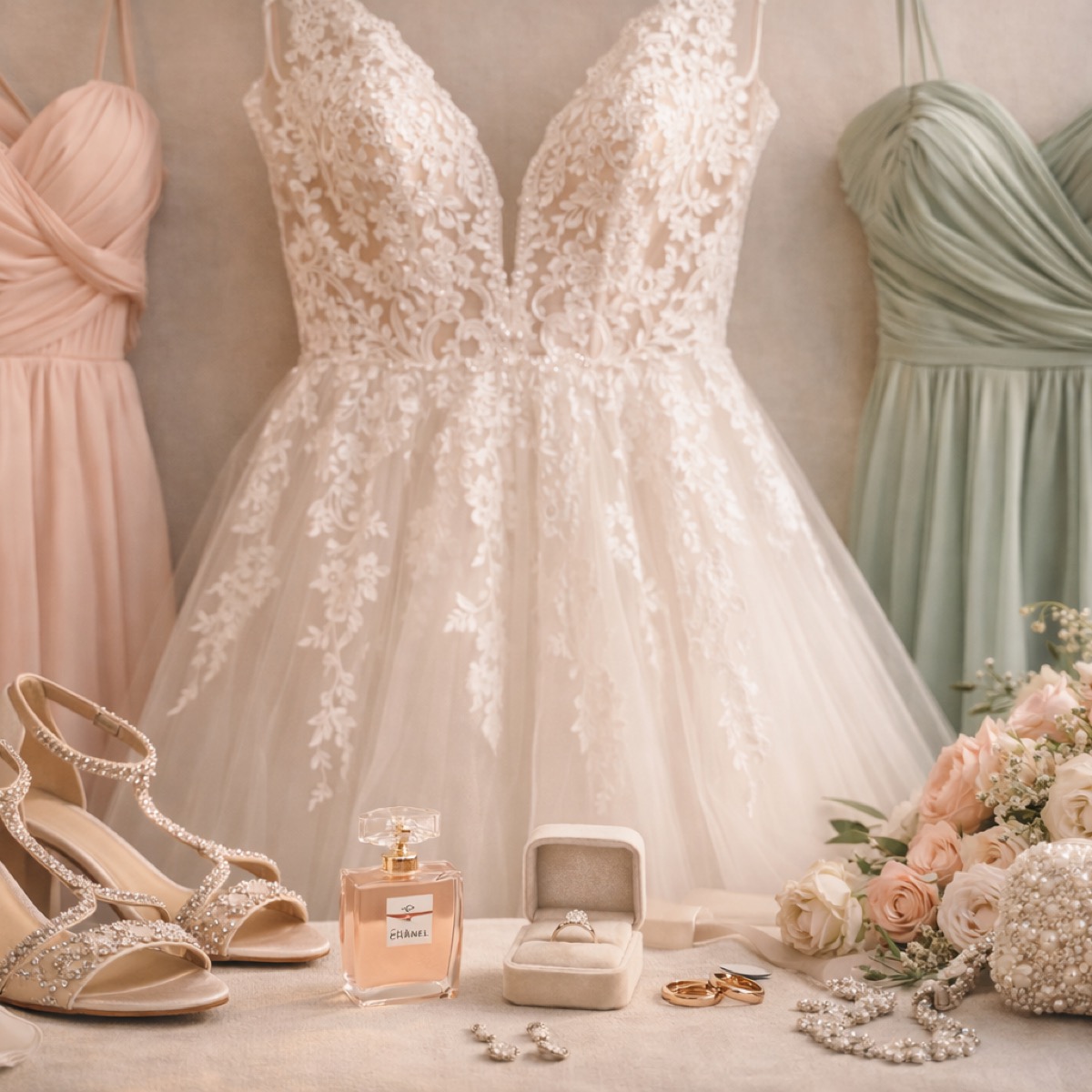
The white dress became popular in the 19th century after Queen Victoria wore white. It symbolized wealth and celebration, not purity as many assume.
Today, white is traditional but not required. Brides choose ivory, blush, champagne, or bold colors. The tradition remains popular, but it is personal preference.
The "Something Old, New, Borrowed, Blue"
This tradition symbolizes continuity and good luck:
- Old represents the past
- New represents the future
- Borrowed represents shared happiness
- Blue symbolizes fidelity
Many couples still incorporate this tradition in small, subtle ways.
Walking Down the Aisle
Traditionally, the bride is escorted by her father. This custom historically symbolized the transfer of responsibility. Today, couples reinterpret it.
Options include:
- Walking alone
- Walking with both parents
- Walking with a partner
- Meeting halfway
Choose what reflects your values.
The Exchange of Rings
Wedding rings date back to ancient Egypt and Rome. The circular shape represents eternity. Rings remain one of the most universal wedding traditions worldwide.
Some couples personalize this moment with engraved messages or unique materials.
Wedding Vows
Traditional vows include phrases like "for better or worse." Many couples keep traditional vows, write their own, or combine both.
Personal vows have become increasingly common, especially in outdoor and non-religious ceremonies.
Unity Ceremonies
Unity rituals symbolize two lives becoming one. Popular options include:
- Lighting a unity candle
- Sand blending ceremonies
- Handfasting
- Wine blending
- Tree planting
In coastal San Diego weddings, sand ceremonies are especially popular due to the beach setting.
The First Dance
The first dance symbolizes the couple's first public act as newlyweds. It often sets the tone for the reception.
Some couples choreograph a routine. Others keep it simple. The tradition continues because it creates a shared moment in front of family and friends.
Bouquet and Garter Toss
The bouquet toss began as a way to transfer "good luck" to unmarried women. The garter toss followed similar symbolism.
These traditions are increasingly optional. Many couples skip them in favor of inclusive or modern alternatives.
Wedding Cake Cutting
The cake cutting represents unity and shared prosperity. Feeding each other cake is symbolic of mutual care.
Modern couples sometimes replace traditional cakes with dessert tables, cupcakes, or specialty treats, but the symbolic first bite often remains.
Carrying the Bride Over the Threshold
This tradition originated from ancient superstitions about spirits entering the home. Today it is mostly symbolic and playful.
Not all couples choose to include it, but it remains a cultural reference point.
Cultural Wedding Traditions
Many cultures have unique wedding customs:
- Breaking the glass in Jewish ceremonies
- Tea ceremonies in Chinese weddings
- Money dances in Filipino celebrations
- Baraat processions in Indian weddings
If incorporating cultural traditions, ensure you understand their meaning rather than treating them as decorative elements.
Modern Adaptations
Modern weddings often combine traditions with personal touches. Same-sex couples, blended families, and interfaith marriages frequently reinterpret customs to fit their lives.
There is no single correct format.
Should You Follow Every Tradition?
No.
Traditions are meaningful when chosen intentionally. If a custom feels outdated or uncomfortable, you are not obligated to include it.
Focus on what reflects your relationship, your families, and your community.
Final Thoughts on Wedding Traditions
Wedding traditions connect the past to the present. They create structure and familiarity, but they are not mandatory.
Understand their origins. Choose what resonates. Leave what does not. A wedding feels most authentic when it reflects the couple, not a checklist.
