


Wedding Vows and Readings: How to Make Your Ceremony Meaningful

Your vows are the emotional center of your wedding ceremony. The venue, flowers, and music matter, but the words you speak to each other are what guests remember. Whether traditional or modern, your vows and readings should reflect your relationship, not a template.
Traditional vs Personal Vows
Traditional vows are structured and familiar. They include phrases like "for better or worse" and "in sickness and in health." Many couples choose them for their timeless tone.
Personal vows allow you to write your own promises. These are often more intimate and specific. If you choose this route, agree on tone and length beforehand so one partner does not prepare a short paragraph while the other delivers a five-minute speech.
A good guideline: one to two minutes per person.
How to Write Your Own Vows
Start by answering three questions:
- Why do you want to marry this person?
- What do you admire about them?
- What promises are you committing to?
Keep it focused on commitment. Humor is fine, but avoid turning vows into stand-up comedy. This is a public declaration, not a private conversation.
Structure helps:
- Opening statement of love
- Personal reflection
- Specific promises
- Closing commitment
Avoid inside jokes that only you understand. Your guests should feel included.
Reading Ideas for Your Ceremony
Readings add depth and can reflect your beliefs or values. They can be religious, literary, poetic, or even modern prose.
Popular options include:
- Classic poetry
- Religious scripture
- Song lyrics (with permission)
- Excerpts from novels
- Short original readings written by friends
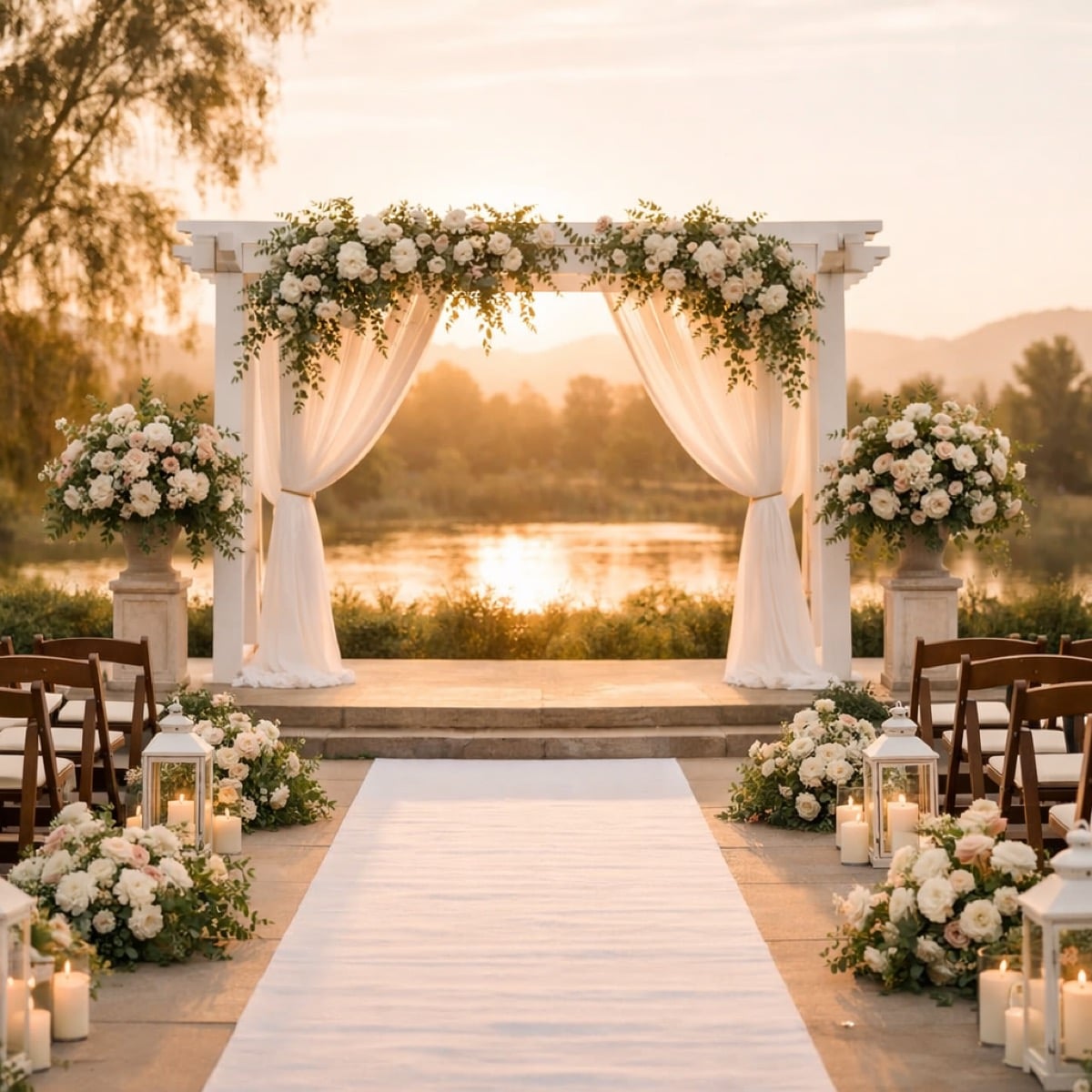
Choose readings that match the tone of your ceremony. A formal church wedding calls for a different style than a beach ceremony in San Diego.
Who Should Do the Readings?
Close friends or family members often perform readings. Choose someone comfortable speaking in front of a crowd. Provide them with the text well in advance and encourage rehearsal.
Keep readings concise. One to two short readings is usually enough.
Balancing Emotion and Length
Ceremonies typically last 20-30 minutes. Long vows and multiple readings can extend the ceremony unnecessarily. Keep it meaningful but focused.
Outdoor San Diego weddings should especially consider timing. Heat, wind, or direct sunlight can make long ceremonies uncomfortable for guests.
Private vs Public Vows
Some couples exchange private vows before the ceremony and use traditional vows publicly. This option preserves intimacy while maintaining structure during the ceremony.
This is particularly popular for couples who prefer emotional privacy but still want a formal ceremony experience.
Cultural and Religious Traditions
If incorporating cultural or religious elements, discuss expectations with family members early. Traditions such as unity candles, sand ceremonies, handfasting, or breaking the glass can add meaning when chosen intentionally.
Do not include traditions simply out of pressure. Every element should feel authentic.
Common Mistakes to Avoid
- Writing vows the night before
- Making vows excessively long
- Including inappropriate jokes
- Forgetting to speak clearly
- Failing to coordinate tone
Preparation matters. Practice reading your vows aloud to ensure clarity and pacing.
Final Thoughts on Wedding Vows and Readings
Your vows are not a performance. They are a promise. Keep them honest, thoughtful, and aligned with your relationship. Choose readings that support the atmosphere you want to create.
In the middle of music, decor, and celebration, the words you exchange are what define the moment. Make them intentional.
